
10 Science-Backed Sleep Tips to Transform Your Nights and Boost Your Energy
Getting quality sleep is one of the most important things you can do for your health, yet millions of people struggle with it every night. If you find yourself tossing and turning or waking up exhausted, you’re not alone. The good news? Simple, effective sleep tips can dramatically improve your rest and overall well-being.
In this comprehensive guide, we’ll explore proven strategies to help you fall asleep faster, stay asleep longer, and wake up feeling refreshed.
Why Quality Sleep Matters More Than You Think
Before diving into our sleep tips, it’s essential to understand why sleep deserves your attention. Quality rest affects everything from your immune system and mental health to your productivity and longevity. Adults need 7-9 hours of sleep per night, but it’s not just about quantity—the quality of your sleep matters just as much.
1. Establish a Consistent Sleep Schedule
One of the most powerful sleep tips is maintaining a regular sleep-wake cycle. Your body has an internal clock called the circadian rhythm, and it thrives on consistency.
How to implement this sleep tip:
- Go to bed at the same time every night, even on weekends
- Wake up at the same time each morning
- Avoid sleeping in more than an hour past your usual wake time
- Give your body 2-3 weeks to adjust to the new schedule
When you follow a consistent schedule, your body learns when to release sleep hormones like melatonin, making it easier to fall asleep naturally.
2. Create the Perfect Sleep Environment
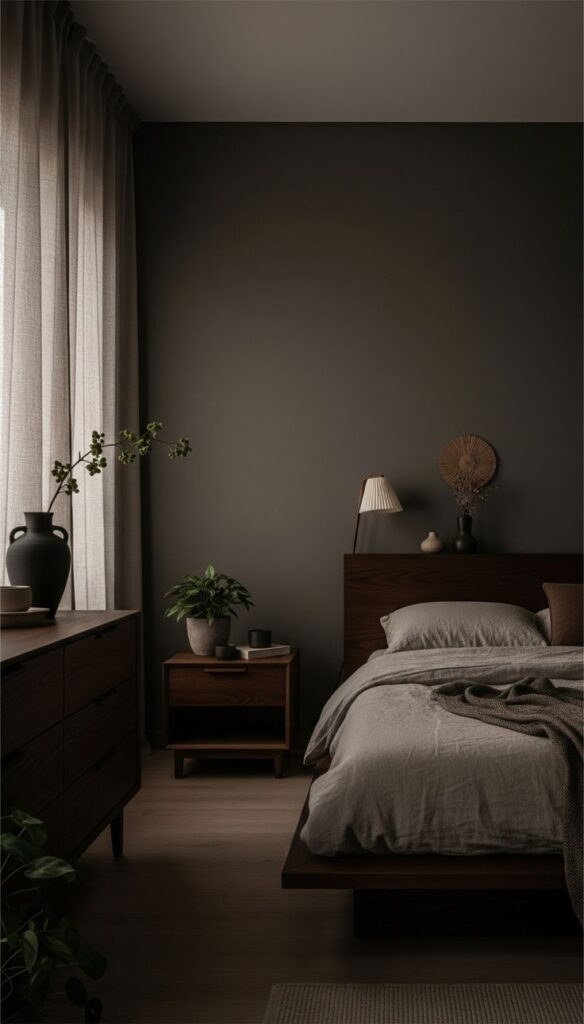
Your bedroom environment plays a crucial role in sleep quality. Think of your bedroom as a sleep sanctuary designed specifically for rest.
Essential elements for better sleep:
- Temperature: Keep your room between 60-67°F (15-19°C)
- Darkness: Use blackout curtains or an eye mask to block all light
- Noise control: Try white noise machines or earplugs if you live in a noisy area
- Comfort: Invest in a supportive mattress and comfortable pillows
These environmental sleep tips can make the difference between restless nights and deep, restorative sleep.
3. Limit Screen Time Before Bed
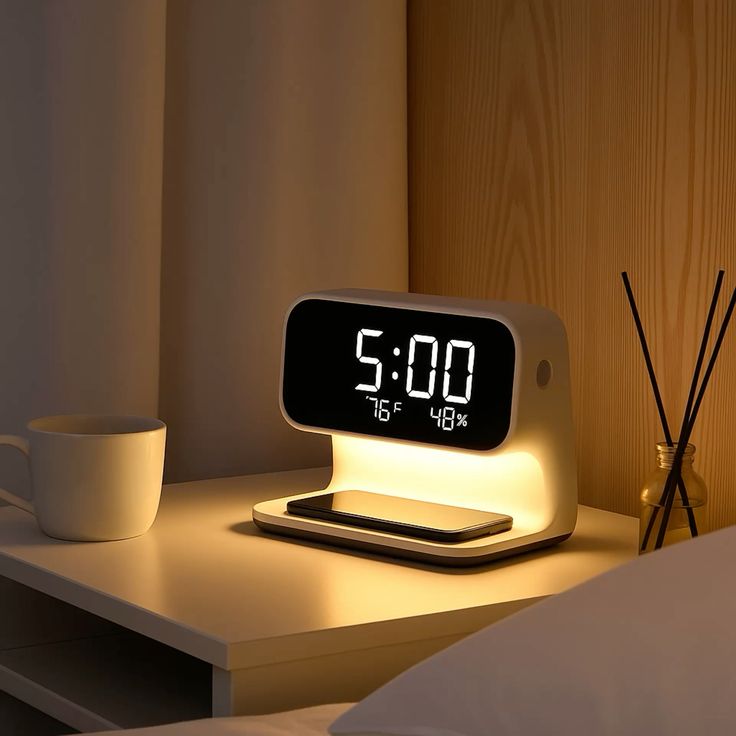
This is one of the most overlooked sleep tips in our digital age. The blue light emitted by phones, tablets, and computers suppresses melatonin production, tricking your brain into thinking it’s still daytime.
Digital detox strategies:
- Stop using electronic devices at least 60 minutes before bedtime
- Enable night mode or blue light filters if you must use devices
- Keep phones and tablets out of the bedroom entirely
- Replace scrolling with reading a physical book or journaling
Implementing this sleep tip alone can significantly improve how quickly you fall asleep.
4. Watch What You Eat and Drink

Your diet has a profound impact on sleep quality. These nutritional sleep tips can help you rest better:
Foods and drinks to limit:
- Avoid caffeine at least 6 hours before bedtime
- Limit alcohol consumption, as it disrupts sleep cycles
- Don’t eat heavy meals within 3 hours of sleep
- Reduce fluid intake 2 hours before bed to minimize bathroom trips
Sleep-promoting foods:
- Foods rich in magnesium (almonds, spinach, bananas)
- Tryptophan-containing foods (turkey, eggs, cheese)
- Complex carbohydrates (whole grains, oatmeal)
- Herbal teas like chamomile or valerian root
5. Develop a Relaxing Bedtime Routine
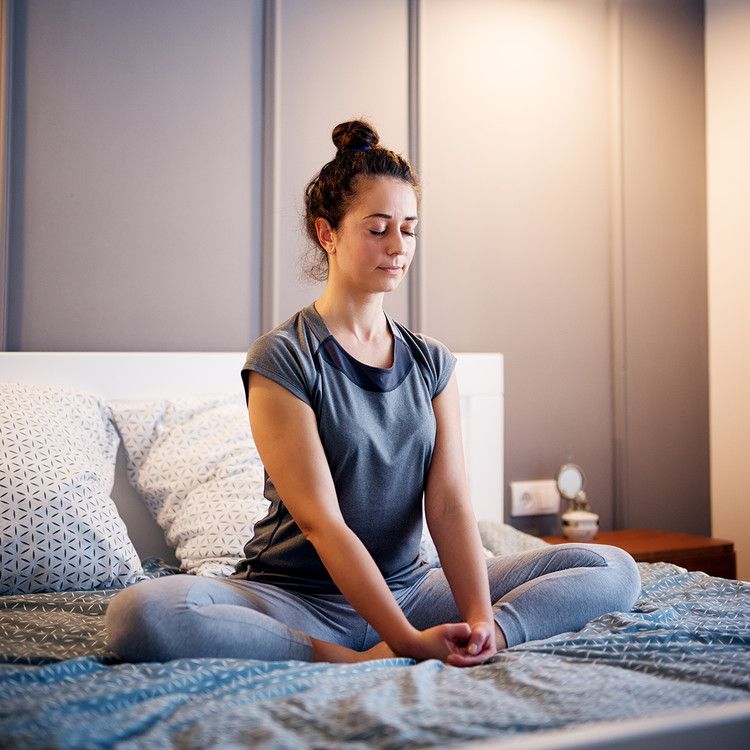
A calming pre-sleep routine signals to your body that it’s time to wind down. This is one of the most effective sleep tips for reducing stress and anxiety.
Relaxation techniques to try:
- Take a warm bath or shower 60-90 minutes before bed
- Practice gentle stretching or yoga
- Try deep breathing exercises or meditation
- Listen to calming music or nature sounds
- Write in a gratitude journal
Consistency is key—perform the same relaxing activities in the same order each night to create a powerful sleep cue.
6. Exercise Regularly, But Time It Right

Physical activity is one of the best natural sleep tips available. Regular exercise helps you fall asleep faster and enjoy deeper sleep cycles.
Exercise guidelines for better sleep:
- Aim for at least 30 minutes of moderate exercise most days
- Complete vigorous workouts at least 3-4 hours before bedtime
- Morning or afternoon exercise is ideal for sleep quality
- Even light activities like walking can improve your rest
However, avoid intense exercise too close to bedtime, as it can be stimulating and make falling asleep more difficult.
7. Manage Stress and Anxiety
Mental health and sleep are deeply connected. Stress management is among the most critical sleep tips for those who struggle with racing thoughts at night.
Stress-reduction techniques:
- Practice mindfulness meditation for 10-15 minutes daily
- Write down worries or to-do lists before bed to clear your mind
- Try progressive muscle relaxation
- Consider speaking with a therapist if anxiety regularly disrupts your sleep
When you address the root causes of stress, you’ll find these sleep tips work even more effectively.
8. Be Smart About Napping
While naps can be refreshing, poor napping habits can interfere with nighttime sleep. Follow these sleep tips for strategic napping:
Optimal napping strategies:
- Limit naps to 20-30 minutes
- Avoid napping after 3 PM
- If you’re not tired at bedtime, skip the afternoon nap
- Use naps to supplement, not replace, nighttime sleep
Short power naps can boost alertness without compromising your ability to sleep at night.
9. Get Exposure to Natural Light

Light exposure is a fundamental sleep tip that regulates your circadian rhythm. Your body needs bright light during the day and darkness at night to maintain healthy sleep-wake cycles.
Light exposure strategies:
- Get 30 minutes of natural sunlight within 2 hours of waking
- Open curtains and work near windows during the day
- Consider a light therapy box if natural light is limited
- Dim lights in the evening to signal approaching bedtime
This simple sleep tip helps your body produce melatonin at the right times.
10. Know When to Seek Professional Help
Sometimes, despite following all the best sleep tips, persistent sleep problems require professional intervention. Consider consulting a healthcare provider if you:
- Regularly take more than 30 minutes to fall asleep
- Wake up multiple times every night
- Experience excessive daytime sleepiness
- Suspect you have sleep apnea (snoring, gasping for air)
- Have tried sleep tips for several weeks without improvement
A sleep specialist can diagnose underlying conditions and recommend targeted treatments.
Conclusion: Your Journey to Better Sleep Starts Tonight
Implementing these evidence-based sleep tips doesn’t have to happen all at once. Start by choosing 2-3 strategies that resonate with you and build from there. Remember, improving sleep quality is a gradual process that requires patience and consistency.
Quality sleep is not a luxury—it’s a fundamental pillar of health and well-being. By following these sleep tips and making rest a priority, you’re investing in your physical health, mental clarity, and overall quality of life.
Sweet dreams await when you commit to these proven sleep tips. Which strategy will you try first tonight?
About Thinkora: At Thinkora.in, we’re dedicated to providing actionable insights and evidence-based information to help you live your healthiest, most fulfilling life. For more wellness tips and health guidance, explore our other articles and resources.
Frequently Asked Questions (FAQs)
1. How can I fall asleep faster naturally?
To fall asleep faster naturally, establish a consistent sleep schedule, create a cool and dark bedroom environment (60-67°F), avoid screens for at least 60 minutes before bed, and develop a relaxing bedtime routine with activities like reading, meditation, or gentle stretching. Limiting caffeine intake after 2 PM and getting natural sunlight exposure during the day also helps regulate your sleep-wake cycle.
2. What is the best time to go to bed for quality sleep?
The best bedtime depends on when you need to wake up. Most adults need 7-9 hours of sleep, so count backward from your wake time. For example, if you wake at 6 AM, aim to be asleep by 9-10 PM. Consistency matters more than the exact time—going to bed and waking up at the same time every day, even on weekends, optimizes your circadian rhythm.
3. Why can’t I sleep even when I’m tired?
Difficulty sleeping despite feeling tired often results from poor sleep hygiene, stress, excessive screen time before bed, irregular sleep schedules, or consuming caffeine/alcohol too close to bedtime. Your bedroom environment (too warm, bright, or noisy) can also interfere with sleep. If the problem persists for more than a few weeks, consult a healthcare provider to rule out sleep disorders like insomnia or sleep apnea.
4. Does exercise help you sleep better?
Yes! Regular exercise is one of the most effective natural sleep aids. Moderate exercise for at least 30 minutes most days helps you fall asleep faster and enjoy deeper sleep. However, timing matters—complete vigorous workouts at least 3-4 hours before bedtime, as exercising too close to sleep can be stimulating. Morning or afternoon exercise is ideal for improving sleep quality.
5. What foods help you sleep better at night?
Sleep-promoting foods include those rich in magnesium (almonds, spinach, bananas), tryptophan (turkey, eggs, cheese), and complex carbohydrates (whole grains, oatmeal). Herbal teas like chamomile or valerian root can also promote relaxation. Avoid heavy meals within 3 hours of bedtime, and limit caffeine for at least 6 hours before sleep.
6. Is it bad to use my phone before bed?
Yes, using your phone before bed can significantly disrupt sleep quality. The blue light emitted by phones, tablets, and computers suppresses melatonin production, the hormone that signals your body it’s time to sleep. This tricks your brain into thinking it’s still daytime. Try to avoid all screens for at least 60 minutes before bedtime, or use blue light filters and night mode if you must use devices.
7. How long should I nap without affecting nighttime sleep?
Keep naps short—20-30 minutes maximum—and avoid napping after 3 PM. Short power naps can boost alertness and productivity without interfering with nighttime sleep. However, longer naps or late-afternoon napping can make it harder to fall asleep at your regular bedtime and disrupt your sleep-wake cycle.
8. What is the ideal room temperature for sleeping?
The ideal bedroom temperature for quality sleep is between 60-67°F (15-19°C). Your body temperature naturally drops during sleep, and a cooler room facilitates this process. If your room is too warm, it can interfere with your body’s natural temperature regulation and make it harder to fall and stay asleep.
9. How does stress affect sleep quality?
Stress and anxiety activate your body’s fight-or-flight response, increasing cortisol levels and making it difficult to relax and fall asleep. Racing thoughts, worry, and tension can keep you awake or cause fragmented sleep. Managing stress through meditation, journaling, deep breathing exercises, or therapy can significantly improve sleep quality.
10. When should I see a doctor about sleep problems?
Consult a healthcare provider if you regularly take more than 30 minutes to fall asleep, wake up multiple times every night, experience excessive daytime sleepiness, snore loudly or gasp for air during sleep (possible sleep apnea), or have tried improving sleep habits for several weeks without improvement. Persistent sleep problems may indicate an underlying sleep disorder that requires professional treatment.
11. Can drinking alcohol help me sleep?
While alcohol may initially make you feel drowsy, it actually disrupts sleep quality. Alcohol interferes with REM sleep (the restorative sleep stage), causes more nighttime awakenings, and can lead to poor sleep quality overall. It’s best to limit alcohol consumption and avoid drinking within 3-4 hours of bedtime for better rest.
12. How long does it take to fix a bad sleep schedule?
It typically takes 2-3 weeks of consistency to reset your sleep schedule and establish a healthy sleep-wake cycle. During this adjustment period, stick to the same bedtime and wake time every day, even on weekends. Your body’s circadian rhythm will gradually adapt, making it easier to fall asleep and wake up naturally at your desired times.
