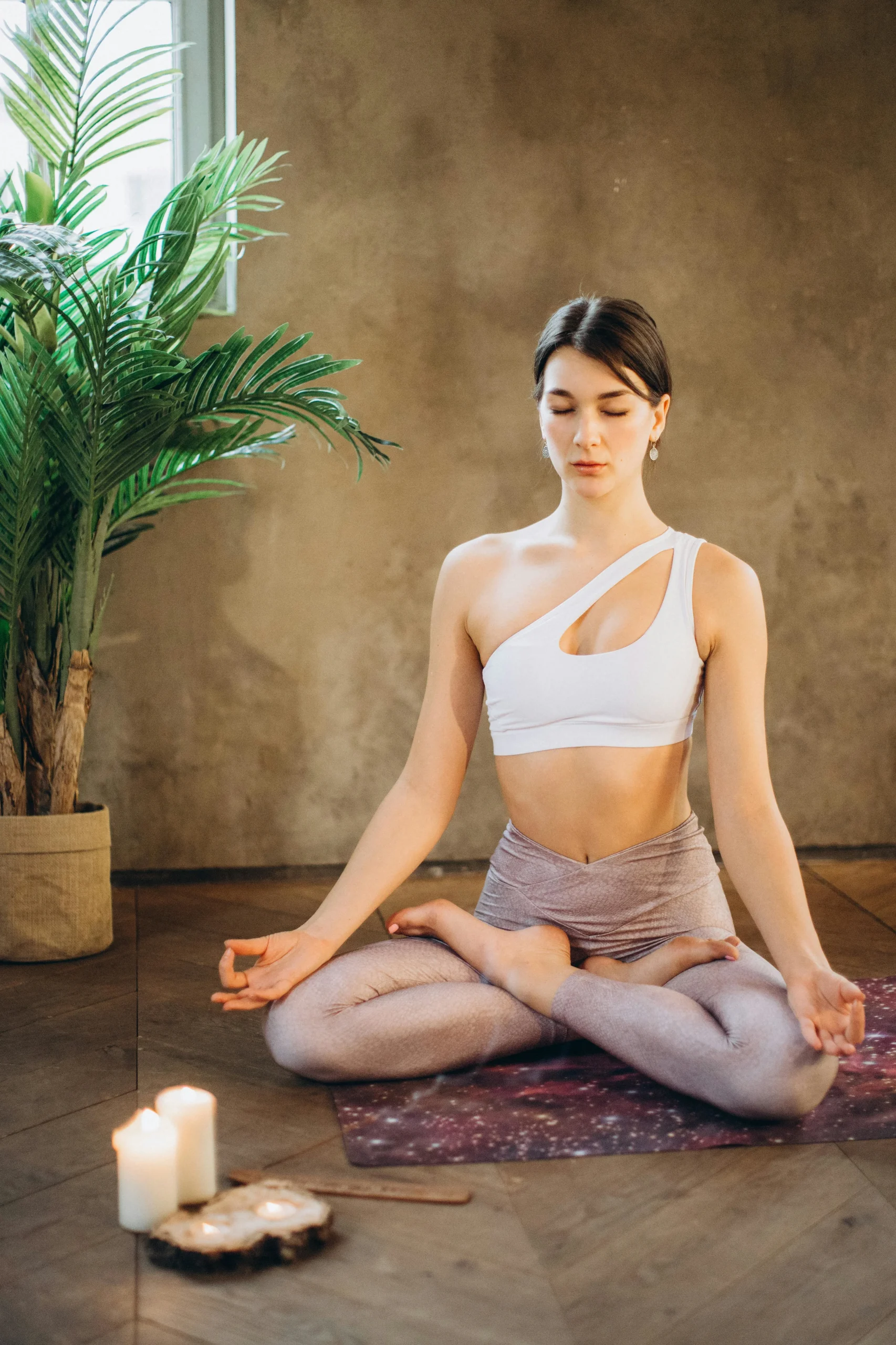
Introduction: Why Your Mind Needs Stillness
Life today feels like a race — from work deadlines to social media noise, our brains are constantly overstimulated.
In this chaos, mental wellness often takes a back seat. But your peace of mind matters as much as your physical health.
Practicing meditation and mindfulness for mental wellness can help you slow down, refocus, and reconnect with your true self. These simple yet powerful practices improve mental health naturally — no expensive therapy or fancy retreat needed.
What Are Meditation and Mindfulness?

Meditation is the art of calming your thoughts and focusing inward — a quiet meeting between you and your breath.
Mindfulness, on the other hand, means being fully present in each moment — noticing your thoughts, sensations, and emotions without judgment.
Together, meditation and mindfulness for mental wellness build self-awareness, emotional balance, and clarity.
They train your mind to respond to challenges calmly instead of reacting impulsively — a superpower in today’s high-stress world.
The Science-Backed Benefits of Meditation and Mindfulness
Practicing mindfulness techniques and daily meditation brings real, measurable results. Here’s how they enhance mental wellness:
- 🧠 Reduce Stress and Anxiety: Meditation lowers cortisol levels and helps regulate mood.
- 💭 Improve Focus and Memory: Mindfulness strengthens your ability to concentrate and stay productive.
- 💞 Boost Emotional Resilience: You respond to problems with clarity and compassion instead of panic.
- 😴 Enhance Sleep Quality: Calming the mind improves your ability to rest deeply.
- 🌿 Promote Self-Awareness: You learn to understand yourself better, leading to personal growth.
In short — when you practice meditation and mindfulness, you don’t escape reality; you learn how to face it peacefully.
Simple Meditation Practices for Mental Wellness
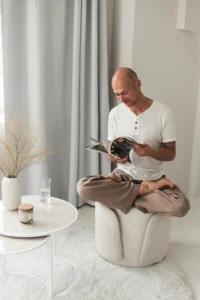
1. Mindful Breathing (5 Minutes a Day)
Sit comfortably, close your eyes, and focus on your breath. Feel each inhale and exhale.
This classic meditation for beginners helps calm your mind instantly.
2. Body Scan Meditation
Start from your toes and move upward, observing sensations in each part of your body.
It’s a great way to release physical tension and improve awareness.
3. Gratitude Meditation
Before sleeping, think of three things you’re grateful for.
This mindfulness exercise shifts your mindset from stress to positivity.
4. Loving-Kindness Meditation
Repeat simple phrases like “May I be peaceful. May others be happy.”
It nurtures empathy and emotional healing.
Mindfulness Techniques for Daily Life

You don’t need to sit cross-legged for an hour — mindfulness can be part of your everyday routine. Try these:
- Mindful Eating: Pay attention to the taste, smell, and texture of your food.
- Mindful Walking: Feel your feet touch the ground, notice the air and sounds around you.
- Digital Detox: Take short breaks from your phone and reconnect with your thoughts.
- Journaling: Write down emotions or reflections to track your mental wellness progress.
These small moments of awareness create lasting peace and mental clarity.
How Meditation and Mindfulness Transform Mental Wellness
When you make meditation and mindfulness part of your lifestyle, you’ll start noticing:
- Less overthinking and emotional chaos
- More focus, patience, and gratitude
- Deeper connection with your inner self
These practices help you improve mental health naturally, bringing balance between mind, body, and emotions.
Tips for Staying Consistent
- Meditate at the same time daily — habit builds discipline.
- Don’t expect perfection; mindfulness grows with time.
- Use a quiet space, soft music, or guided meditations.
- Celebrate small progress — even one calm breath counts.
FAQ: Meditation and Mindfulness for Mental Wellness
1. How can I start meditation for mental wellness?
Start with 5–10 minutes daily using mindful breathing. Gradually extend your time as you grow comfortable.
2. Can mindfulness reduce anxiety?
Yes. Mindfulness techniques help you observe thoughts without reacting, lowering anxiety naturally.
3. How long does it take to see results?
Many people feel calmer in a few weeks of consistent practice.
4. Do I need special equipment or apps?
Not at all. Just your breath, focus, and a quiet space are enough.
5. Is meditation linked to better mental health?
Absolutely. Regular meditation is proven to improve emotional control, focus, and overall mental wellness.
Conclusion: Your Calm is Your Power
In a world that glorifies hustle, choose calm.
Meditation and mindfulness for mental wellness remind you that peace isn’t found outside — it’s cultivated within.
Take one deep breath right now.
Inhale peace, exhale stress.
Your healing starts with this moment of mindfulness. 🌿
